An analysis of the institutions and rules that reshaped global power and the modern world order.
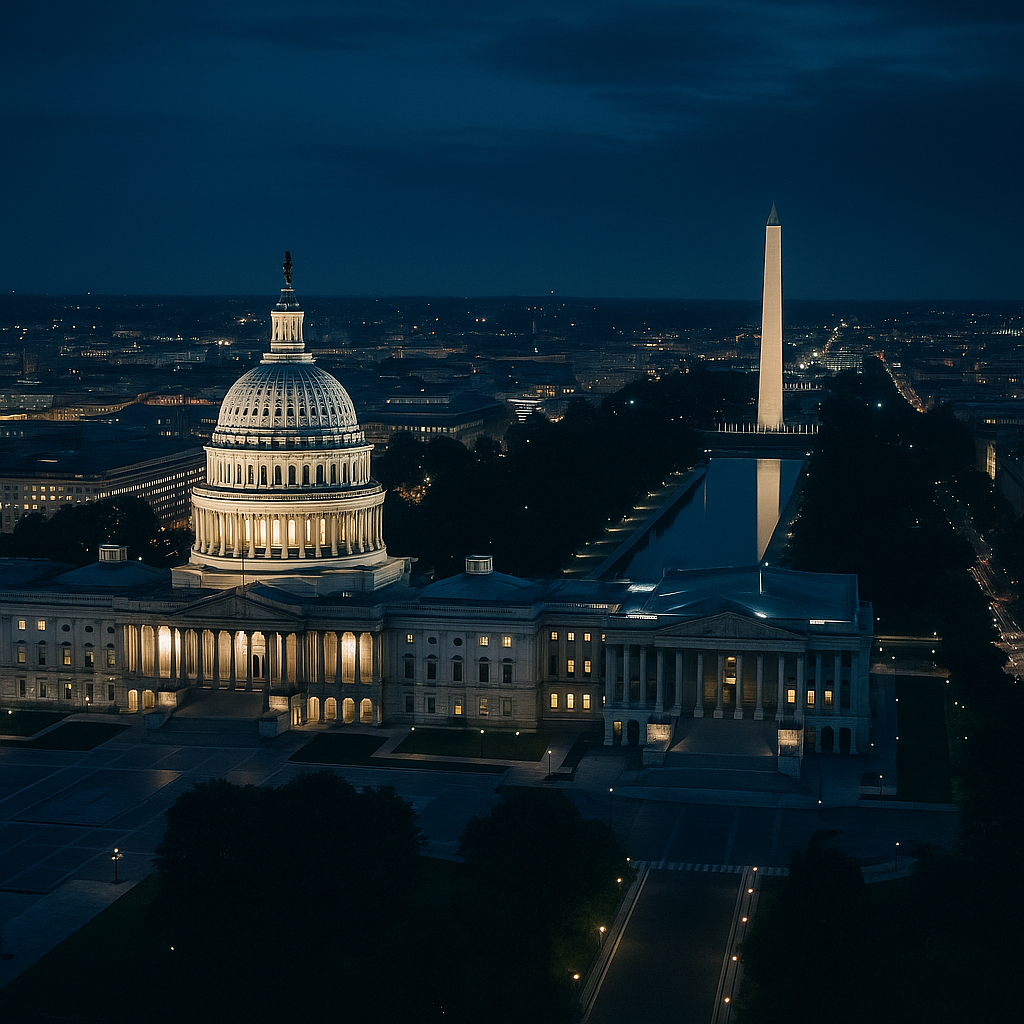
Episode 1. How America Came to Write the World’s Code
Bretton Woods, the Marshall Plan, NATO and containment laid the foundations of a post-war order centred on Washington. This episode traces how the United States acquired the power to set the rules that others would follow.
Read the full episode
There are two kinds of power. One occupies territory. The other sets the rules everyone plays by.
After 1945, the United States understood how short-lived the first kind could be. Armies tire. Colonial empires fracture from within. Occupation regimes erode. What endures is the system in which others must operate, whether they choose it or not.
American hegemony took shape through the institutions that conferred economic, financial, military and political legitimacy. This episode traces the moment the underlying code was written.
1. 1945 and the opportunity in a world in ruins
At the end of the Second World War, the picture was stark.
- Europe lay physically devastated and morally exhausted, with its colonial empires coming apart.
- The Soviet Union had won militarily at enormous economic cost and sought to enforce control over its sphere of influence.
- Japan was defeated, China was in the grip of civil conflict and European colonies in Asia were shaken.
- The United States had intact infrastructure, a vastly larger share of global output, an initial monopoly on nuclear weapons and an exceptional concentration of capital and industry.
America could follow the familiar route of occupation, annexation and direct administration. It also had an opportunity to rebuild the world around institutions that would depend on it.
George Kennan, the architects of Bretton Woods and the people around Dean Acheson, George Marshall and Harry Truman helped give that order its shape. The treaties they drew up made the United States a point of reference for the system as a whole.
2. Bretton Woods makes the dollar the system’s nervous centre
In 1944, delegates from 44 countries met at Bretton Woods to negotiate the future of international finance. Two approaches were on the table.
- John Maynard Keynes proposed the bancor, a neutral international unit administered multilaterally to limit the leverage of any one power.
- Harry Dexter White represented the American position. The US dollar, backed by gold, would anchor the system.
The American approach prevailed. The agreements established the IMF and the institution that became the World Bank, where Washington held substantial voting weight. The dollar was convertible into gold at a fixed rate for foreign monetary authorities. Other countries pegged their currencies to the dollar.
For countries seeking reconstruction, trade and credit, the terms were clear. The dollar was the anchor and Washington stood behind it.
This was the first layer of American hegemony. States retained formal sovereignty while the underlying financial infrastructure gave one power a privileged position.
3. The Marshall Plan and the terms of reconstruction
Announced in 1947, the Marshall Plan was presented as a gesture of generosity towards a devastated Europe. Its design also tied European recovery closely to the American system.
- The United States provided large sums to rebuild European infrastructure and industry.
- Dollar financing supported purchases of American goods and technology.
- Coordinating the programme required European governments to align aspects of their economic policy.
Europe rebuilt with American support. The recovery brought new ties to US technical standards, equipment, spare parts and expertise, along with deeper integration into dollar-linked trade and finance.
The Soviet Union rejected the plan and compelled its satellites to do the same. Europe split into two increasingly incompatible economic systems. Western Europe moved firmly into the American orbit.
The plan was an investment in a lasting relationship of dependence. From then on, European leaders had reason to see their countries’ stability and growth as tied to Washington.
4. George Kennan and containment
The strategic rationale was taking shape at the same time. In 1946, the American diplomat George Kennan sent his Long Telegram from Moscow. His article under the pseudonym X followed in Foreign Affairs.
- Kennan saw the Soviet Union as an ideological and geopolitical rival whose posture could not be changed through accommodation.
- Direct military confrontation carried immense risks, especially once both powers possessed nuclear weapons.
- Containment sought to block Soviet expansion until the internal pressures of the Soviet system took their toll.
Containment gave coherence to the other measures. The Marshall Plan became a barrier to communist influence. Military alliances checked Soviet reach. Crises in Greece, Turkey and Korea became tests of American credibility.
Containment went on to justify much of US foreign policy. It gave the public a language for a strategy designed to preserve American predominance.
5. NATO and the architecture of collective defence
NATO was founded in 1949 as a mutual defence pact. Its design placed the United States at the centre of European security.
- Members aligned military doctrines, equipment and plans through common standards heavily influenced by the United States.
- Bases, depots and logistics became part of an integrated network in which the United States played a central role.
For Western Europe, protection against the Soviet Union meant anchoring its security to the United States through training, equipment and joint planning.
Military dependence now accompanied financial dependence on the dollar. A European government that moved too close to Moscow risked economic consequences and strains in its security relationship.
6. The IMF and the World Bank turn technical rules into political leverage
The institutions created at Bretton Woods acquired growing influence.
- The IMF became an emergency lender to countries in balance-of-payments crises. Over time, its lending could carry conditions such as privatisation, liberalisation, austerity and greater access for foreign capital.
- The World Bank financed infrastructure and development, bringing with it advisory programmes, standards and governance requirements.
Countries that accepted IMF conditions became more deeply integrated into a dollar-centred world economy. Those that resisted could face difficulty obtaining finance, currency depreciation and social strain.
A state could be disciplined by restricting its access to funding or by the withdrawal of capital. Control over financial flows became an instrument of geopolitical influence.
7. Beyond Cold War propaganda
The familiar opposition between democracy and communism can obscure the institutional design.
- The United States built a global financial system around its own currency.
- It helped rebuild potential rivals in Europe and Japan and tied them to its markets and technology.
- It built NATO and bilateral alliances around an American security guarantee.
- It identified the Soviet Union as a systemic adversary that justified continued investment in this arrangement.
American hegemony emerged from strategic choices carried out by generations of diplomats, economists and military officials.
8. The foundations of financial hegemony
The architects of the post-war order may have had little idea of the full consequences of their work. The institutions they built made the next shift possible.
- In 1971, the United States ended the dollar’s convertibility into gold.
- In the 1970s, arrangements linking oil trade to the US currency took shape.
- In the following decades, deregulation and financial globalisation made Wall Street a nerve centre of world capitalism.
Between 1944 and 1960, the United States had established a reference currency, helped rebuild allies within its system and created a security architecture with few credible alternatives.
Other countries could challenge Washington’s decisions. Leaving the system it had built was far harder.
The verdict
Treaties, institutions and standards supplied the basic software of the post-war world. The dollar became the unit of measurement for economic activity. The IMF and the World Bank prescribed reforms. NATO supplied the backbone of Western security. Containment gave the arrangement its strategic and moral justification.
The post-war world was rebuilt physically and organised around Washington’s financial and strategic logic.
The next episode follows the shift from this institutional foundation to financial hegemony, as debt and global liquidity increasingly became sources of American power.
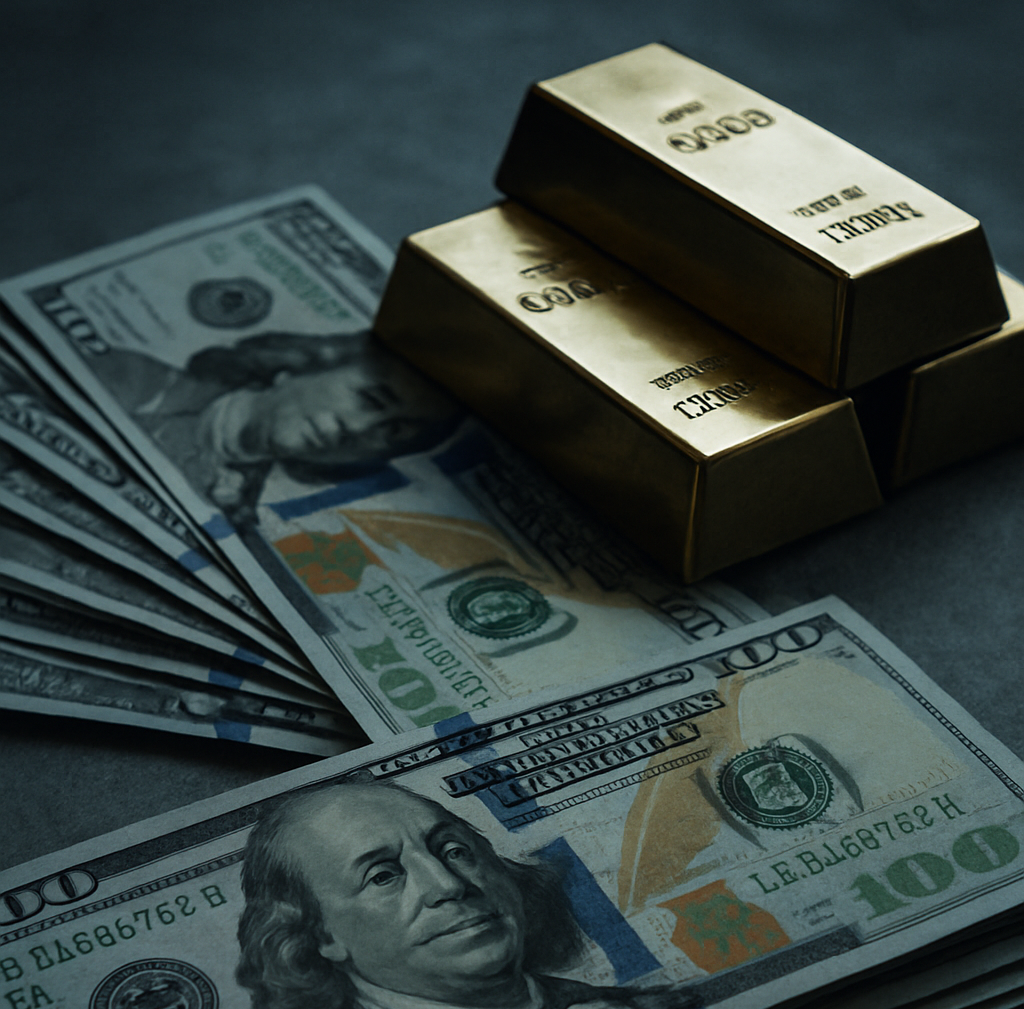
Episode 2. From Gold to the Debt Machine (1971–1990)
The post-war institutions gave American power its foundations. The end of gold convertibility set the stage for a system built around dollar liquidity, global finance and digital infrastructure.
Read the full episode
American hegemony consolidated as the rules governing the world economy changed. Bretton Woods, the Marshall Plan, NATO and containment had laid the foundations. The next phase turned those institutions into the basis of a financial and technological system with few rivals.
The United States became a supplier of liquidity, standards and digital infrastructure for much of the world.
1. 1971 and the end of dollar convertibility
On 15 August 1971, President Richard Nixon announced that the United States would suspend the dollar’s convertibility into gold. Presented as temporary, the decision changed the international monetary system.
- The dollar lost its direct link to a physical commodity.
- It became a fiat currency whose value rested on confidence in the United States and its institutions.
- Bretton Woods broke down. The American-led order took a different form.
Washington could now issue the world’s principal reserve currency without having to redeem it in gold. Over the following decades, that freedom helped consolidate American influence over global markets, strengthen Wall Street and deepen the world’s dependence on dollar liquidity.
The dollar still needed a new anchor. The next layer came from energy.
2. The petrodollar and the global oil market
In 1973 and 1974, Washington negotiated closer economic and security ties with Saudi Arabia. The relationship combined American military protection, arms and access to Western markets with a financial system in which oil was widely priced in dollars.
As dollar pricing prevailed across OPEC, oil importers needed dollars, and demand for the currency became embedded in energy trade. Oil exporters reinvested part of their surpluses in US government debt, a process known as petrodollar recycling.
The oil trade gave the dollar a new source of demand and helped finance American deficits. Much of the world’s energy trade now passed through the currency.
3. Paul Volcker and the credibility of the dollar
After the oil shocks of the 1970s, US inflation surged. Paul Volcker, chair of the Federal Reserve, raised interest rates sharply. The tightening brought recession and had consequences far beyond the United States.
- Higher US yields drew capital towards American assets.
- The dollar recovered credibility as a refuge.
- Heavily indebted emerging economies came under pressure and many sought IMF assistance.
This showed how American monetary policy could exert pressure abroad. Higher interest rates set in Washington could put entire economies on the defensive.
The Volcker years reinforced a pattern. In times of distress, demand for dollars could strengthen the financial system at the centre of the crisis.
4. The IMF and the discipline of debt
The debt crises of the 1980s across Latin America, Africa and Asia made the IMF a central actor. Countries had borrowed in dollars during the 1970s. Higher US interest rates made debt service far more expensive. IMF financing came with conditions that could include austerity, privatisation, fewer subsidies, deregulation and greater access for foreign capital.
The policy package associated with the Washington Consensus became a common framework for reform. Its effects reached beyond economic policy. It pushed economies towards more open markets, a smaller role for the state and deeper integration with external finance.
The leverage came from the structure of the system itself. Governments under pressure sought access to the institutions that could set the terms of their recovery.
5. Financial deregulation and the export of risk
During the 1980s and 1990s, the United States loosened parts of its domestic financial regulatory framework. Derivatives, credit, leverage and bank consolidation gained importance as American financial practices spread abroad.
- Wall Street became a nerve centre of global capitalism.
- US banks expanded their networks, technologies and standards.
- International financial crises increasingly became problems of access to dollar liquidity.
Financial power now reinforced American military and economic power. Institutions that priced, modelled and insured global risk acquired influence over the decisions made around it.
6. The beginnings of digital hegemony
By the late 1980s and early 1990s, American investment in computing, telecommunications and the internet had laid the groundwork for another form of influence. Silicon Valley became central to the infrastructure of modern life.
Microsoft, Apple, IBM and Cisco helped shape global computing. American software standards spread widely. US companies, servers and legal jurisdiction played a central role in the growth of the internet.
Dependence now extended from the dollar and financial markets to software, protocols and networks that were largely invisible to the people using them.
7. How the system changed between 1971 and 1990
American hegemony evolved through successive shifts.
- The break with gold freed the reserve currency from physical redemption.
- Dollar pricing for oil sustained international demand for it.
- Volcker’s tightening restored confidence in American monetary policy.
- IMF lending gave Washington-backed institutions leverage over indebted economies.
- Deregulation made US institutions central to global risk.
- Digital networks made US infrastructure central to information flows.
Liquidity, infrastructure and technical standards made American power harder to see and harder to escape.
The verdict
Between 1971 and 1990, the United States went from designing the post-war order to acting as its chief source of liquidity, its leading capital market and, increasingly, its supplier of software. The resulting system drew countries towards dollar finance in moments of instability and towards American technology as information networks expanded.
The next episode follows globalisation and the military and digital reach of the unipolar era, when Washington sought to turn financial predominance into the power to set the world’s norms.
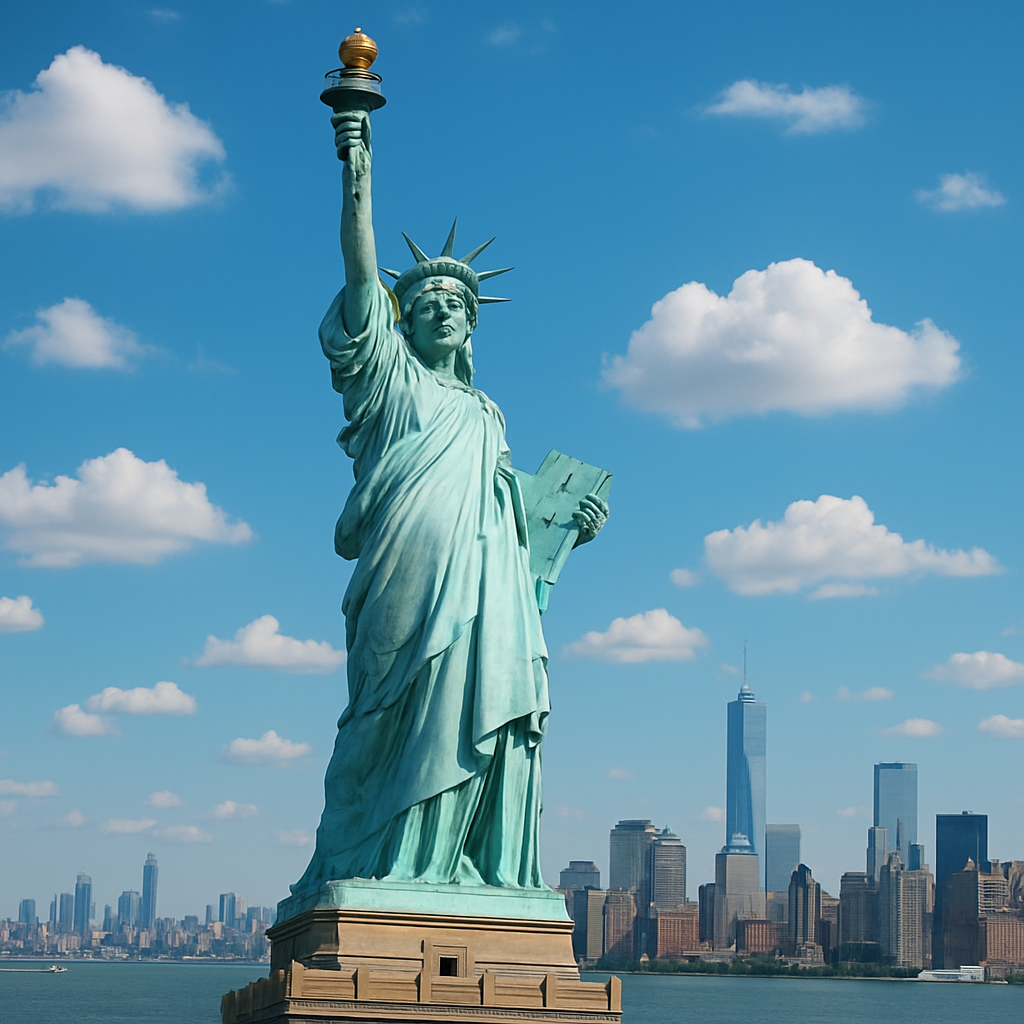
Episode 3. The Unipolar Era (1990–2010)
After the fall of the Soviet Union, American influence reached across security, finance, technology and culture. The episode examines how the rest of the world came to operate within rules largely set by Washington.
Read the full episode
Between 1990 and 2010, the United States entered a period without a comparable strategic rival. Washington became the leading architect, guarantor and arbiter of the global order. The system itself increasingly operated on American terms.
1. 1991 and the beginning of the unipolar world
The collapse of the Soviet Union closed one historical cycle and opened another. The West claimed victory over an alternative geopolitical and ideological model. NATO became the security guarantee for much of Europe, while Washington took a leading role in resolving conflicts and shaping major global decisions.
Military reach, financial influence, emerging technological dominance and the legitimacy conferred by the Cold War’s outcome converged in a single power.
2. Globalisation on American terms
The 1990s brought rapid growth in trade, capital flows and the integration of emerging economies into production chains. The structure of that process favoured the United States.
- American corporations went global and moved production offshore.
- The United States remained a favoured destination for international capital.
- American technology and licensing became widely used reference points.
- Financial standards increasingly reflected the needs of Wall Street.
Trade, investment, technology and the language of economics spread through institutions first established after 1945 and rapidly extended after 1990.
3. The internet revolution and power through infrastructure
The internet grew from US research projects with military origins into a central network of modern life. Microsoft, Apple, IBM and Cisco helped build the infrastructure. American companies and institutions played a leading role in developing the software, communications protocols and security standards that much of the world adopted.
This gave the United States influence over digital flows, platforms and routes. It also gave American institutions and companies an unprecedented ability to shape the stories and images circulating across borders. The infrastructure of global power now reached into the way people formed opinions.
4. NATO after 1991
NATO reinvented itself after the Soviet collapse and expanded eastwards. Bosnia, Kosovo, Afghanistan and other stabilisation missions broadened its role beyond territorial defence in Europe. Enlargement deepened reliance on American technology, logistics and command.
The United States could project force around the world with a speed and logistical reach its rivals could rarely match.
5. Wall Street and the pull of global capital
Deregulation in the 1990s and early 2000s extended the reach of American financial markets. Derivatives, bank mergers, speculative investment and financial engineering drew in capital from around the world.
Wall Street became central to the pricing of global risk. International markets relied on US liquidity. In periods of financial distress, the search for safety often pulled capital back towards dollar assets.
6. Military supremacy
From 1991 to 2010, American carrier groups, stealth technology, satellites and logistics gave the Pentagon extraordinary reach. That capacity helped protect and extend US financial and technological influence.
Wars in the Gulf, Afghanistan and Iraq exposed limits to Washington’s political credibility. They also demonstrated the scale of American conventional military power.
7. The export of norms
Globalisation carried liberal democracy, financial capitalism, human rights and American popular culture alongside goods and capital. NGOs, global institutions and international media took up much of the West’s language and assumptions.
Influence over how a society thinks can reach where territorial occupation cannot.
8. The illusion of permanence (2000–2010)
At the beginning of the 2000s, the dollar appeared secure, the internet was dominated by American companies, China was integrating into world trade, Russia was weak and Europe was broadly aligned with Washington. The order looked permanent from the outside.
Its vulnerabilities were already visible in the offshoring of production, dependence on China, fragmentation in the Middle East and the growth of networks opposed to Western influence.
The verdict
Between 1990 and 2010, American power spanned finance, military affairs, technology and public narratives. Washington was central to the system through which much of the world operated. The same period exposed fractures that would help shape the multipolar order of the twenty-first century. Episode 4 follows those fractures.

Episode 4. The Age of Fracture (2010–2020)
China built parallel institutions, Russia challenged the existing order and regional powers gained room to manoeuvre. The fractures of this decade made a multipolar world possible.
Read the full episode
Between 2010 and 2020, cracks in American hegemony widened into structural breaks. Other powers began building credible alternatives. The United States remained dominant, and the emergence of alternatives changed what that dominance meant.
1. China builds a parallel system
China’s rise was economic, strategic, technological, military and logistical. In the first decade of the century, Beijing benefited from the American-led order. After 2010 it began building infrastructure that could operate alongside that order with less dependence on it.
A. The Belt and Road Initiative
Rail corridors, highways, ports, industrial zones and pipelines linked parts of Asia, Africa and Europe. These projects facilitated trade and cut transport costs. They also created ties to Chinese finance, technology and logistics.
Participating countries gained infrastructure and capital. In some cases, their freedom of decision narrowed as Beijing became creditor, builder, supplier and political interlocutor. Concrete, cables and debt extended Chinese reach.
B. An alternative lender
Through the Asian Infrastructure Investment Bank and financing dedicated to the Belt and Road Initiative, China offered alternatives to countries underserved by Western-led institutions or reluctant to accept their conditions. Chinese finance could carry expectations of access to resources, ports and markets, alongside strategic alignment.
This weakened one source of American leverage. Governments could turn to a major lender operating outside the framework of the Washington Consensus.
C. Made in China 2025
The programme signalled China’s intention to move beyond low-cost production and lead in semiconductors, electronics, industrial robotics, advanced energy, biotechnology, artificial intelligence and telecommunications.
The competition moved towards patents, standards and technology platforms. China was seeking the capacity to write rules of its own.
2. Russia disrupts the existing order
Moscow’s strategy focused on frustrating the operation of the American-led order. Three theatres illustrate that approach.
A. Crimea in 2014
Russia’s annexation of Crimea made a fracture in the post-Cold War order visible. Moscow signalled its willingness to use force in a region where it opposed the expansion of NATO and the European Union. Western sanctions followed. Europe could no longer take the stability of its security architecture for granted.
B. Syria and the projection of force
Russian intervention helped stabilise the government in Damascus. Moscow showed it could deploy force beyond its immediate region, alter the balance of a complex civil war and obtain political and military concessions. The intervention restored Russia to a central role in parts of Middle Eastern security.
C. Wagner and grey-zone influence in Africa
Through Wagner and other informal instruments, Russia offered security services, arms, military training and political support to vulnerable governments, sometimes in exchange for access to resources. These arrangements created specific loyalties and gave some governments room to manoeuvre in their relations with the West. Moscow gained influence by changing local balances of power.
3. The Middle East gains room to manoeuvre
Regional governments began negotiating simultaneously with Washington, Beijing, Moscow and other regional powers.
Saudi Arabia
Riyadh worked with Russia through OPEC+ to manage the oil market, explored Chinese investment and infrastructure, and began to diversify its strategic relationships. Its relationship with the United States continued alongside these options.
The United Arab Emirates
The UAE combined Chinese participation in digital infrastructure with US military equipment and security cooperation. It developed a global network of ports, logistics and investment, worked with Russia on some energy matters and reached agreements with Israel. The Emirates became a point through which capital, goods, information and influence could flow between competing powers.
Iran
Iran extended its influence through networks in Iraq, Syria, Lebanon and Yemen. Proxy forces gave it ways to pressure American and Saudi interests while limiting the need for direct confrontation. The region became a theatre of competition among multiple powers.
4. The vulnerabilities of globalisation
After the financial crisis of 2008 and 2009, dependence on a handful of suppliers and routes became a strategic concern.
A. Semiconductors
Taiwan and South Korea were central to chip production for vehicles, phones, servers, military equipment and AI. The United States depended in part on an island close to mainland China for technologies essential to its own strength.
B. Energy
Europe’s exposure to Russian gas became increasingly apparent. The US shale boom expanded American production, while the United States remained exposed to global oil prices. Energy flows gave OPEC+ and Russia leverage.
C. Pharmaceuticals
China and India accounted for much of the production of active pharmaceutical ingredients. Concentration left importing countries exposed to shortages and to decisions taken abroad.
D. Shipping
The Strait of Hormuz, Bab el-Mandeb, the Suez Canal and the Taiwan Strait were all potential chokepoints. A local disruption could have global consequences.
Governments began taking domestic production, sourcing from allies and national industrial policy more seriously. An integrated economy started fragmenting into overlapping zones of economic security.
5. The contest over the internet
A network once imagined as open and global split into competing ecosystems.
A. The West
American and European platforms remained broadly open. Political polarisation, culture wars and declining trust in established media weakened the coherence of Western narratives.
B. China
The Great Firewall shielded much of China’s domestic internet from outside influence. Baidu, Alibaba, Tencent and WeChat became pillars of a domestic ecosystem shaped by state controls. Beijing also exported surveillance technologies and approaches to digital governance.
C. Russia
Russia treated the internet as an operational theatre. Cyberattacks, disinformation, election interference and social media manipulation became instruments of foreign policy. The digital sphere acquired several competing centres of influence.
6. Polarisation inside the United States
Widening economic disparities, middle-class frustration, radicalised political debate, institutional gridlock, declining trust and recurrent racial tensions weakened domestic cohesion. Abroad, abrupt changes in policy and conflicting messages made it harder for allies to judge the durability of American commitments.
7. The world of overlapping blocs
China developed its own logistical, financial and technological networks. Russia relied on energy ties, military instruments and influence in unstable regions. BRICS became a venue for exploring monetary and commercial alternatives, while OPEC+ played a major role in oil markets. The European Union remained an economic power with limited strategic autonomy. Turkey, India, Israel and the Emirates built relationships across several camps.
Rules, alliances and infrastructures increasingly overlapped and sometimes pulled in different directions.
The verdict
Between 2010 and 2020, the United States remained a major power as its ability to set the rules alone declined. China built alternatives, Russia disrupted the existing order and the Middle East gained autonomy. Supply chains and digital networks revealed new vulnerabilities, while polarisation weakened cohesion at the centre.
The next episode examines the emerging order of overlapping systems, multiple centres of power and an unstable balance.
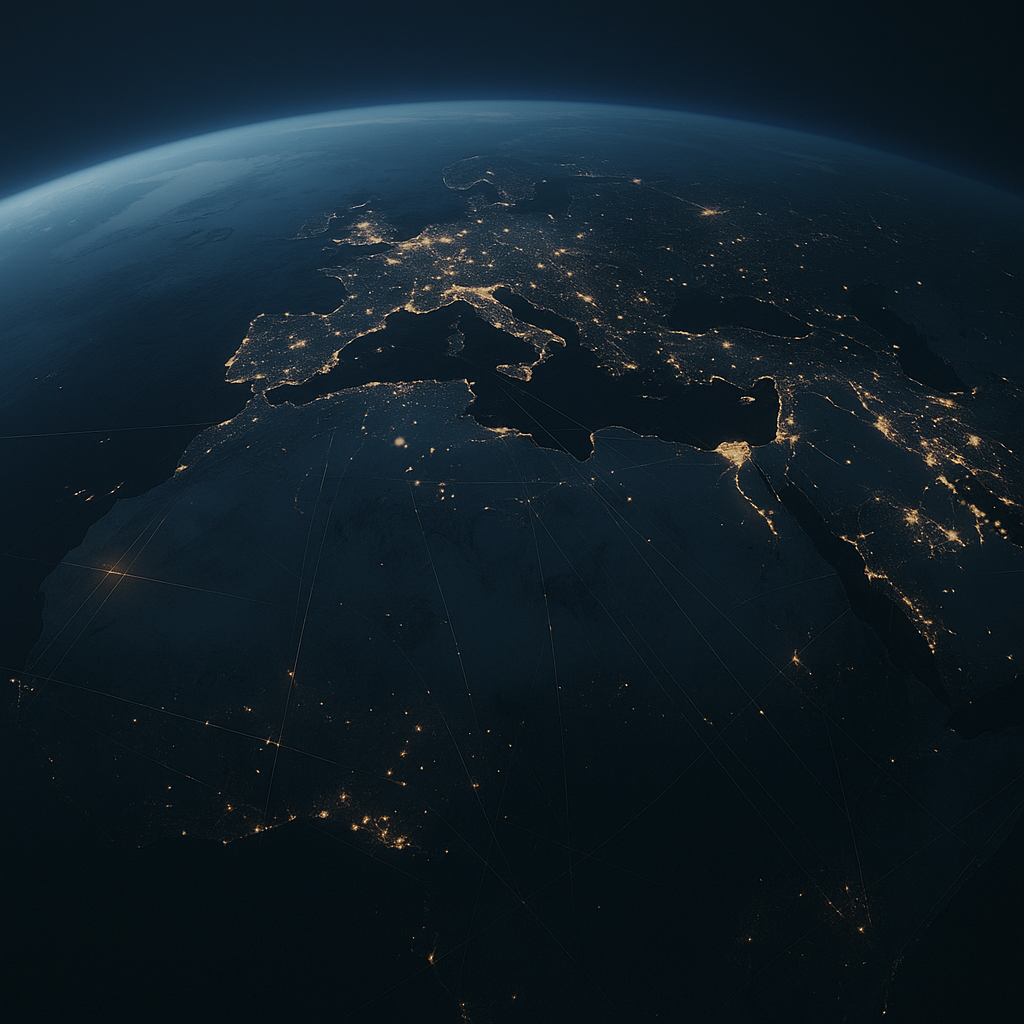
Episode 5. The Architecture of the Post-Hegemonic World (2020–2035)
The fractures of the previous decade are giving way to overlapping systems of trade, finance, technology and security. This episode examines the order taking shape in the gaps.
Read the full episode
The post-hegemonic world is already taking shape. Geopolitical blocs coexist, overlap and compete over resources, technologies, shipping routes and the power to shape public narratives.
The result is a fractal order. Each centre of power develops its own networks, institutions, currencies and alliances. These pieces of order overlap without fitting neatly together.
1. The dollar system comes under structural pressure
The dollar remains central as governments build more ways to conduct trade and finance outside it.
A. The spread of alternatives to the dollar
China uses currency swaps to support trade. India has explored paying for oil in rupees. Brazil has tested settlement in yuan and reais. Saudi Arabia has discussed non-dollar oil transactions. African countries have pursued regional settlement in local currencies. BRICS has explored infrastructure for transactions in multiple currencies.
Each alternative reduces the need to use the dollar in some transactions. Taken together, they weaken the exclusivity on which part of American financial influence rests.
B. SWIFT and CIPS
SWIFT remains dominant in cross-border financial messaging. China’s CIPS provides an alternative channel for cross-border renminbi payments. Parallel channels can make some sanctions easier to work around and give governments and firms more options for settling trade.
C. Gold in the emerging order
Several central banks, including those of China, Russia, Turkey and India, added to their gold holdings during the period discussed here. Gold held domestically can serve as a reserve outside another country’s financial system. It gives governments a degree of protection against sanctions and a possible asset for alternative settlement.
2. US–China rivalry becomes the pivot of the century
The rivalry pits two different approaches to power against each other. The United States draws on markets and cultural influence. China relies heavily on state planning, logistics and industrial coordination.
A. Taiwan and advanced chips
Taiwan is central to the rivalry because of TSMC and its capacity to manufacture advanced semiconductors. A disruption there would affect the pace of technological development far beyond the island.
B. Supply chains as leverage
China has built strong positions in rare-earth processing, batteries, solar manufacturing, panel inputs and Asian container shipping. Washington is responding with efforts to rebuild domestic industry and deepen regional alliances. The struggle over who controls critical supply chains is still unfolding.
C. The contest over technical standards
China seeks influence over standards for AI, quantum computing, autonomous vehicles, mobile networks, biometric surveillance and digital finance. Standards determine which systems can connect and which suppliers can compete. That makes them an instrument of power.
D. Africa and long-term access
Chinese investment in African ports, railways, electricity networks and digital infrastructure helps Beijing secure access to resources, routes and political partners that may matter for decades.
E. Hollywood and TikTok
US cultural influence faces competition from platforms that operate at a different speed and scale. TikTok can shape global perceptions outside the channels through which American institutions traditionally exercised influence.
3. Europe’s limits
Europe has substantial economic weight and limited ability to act independently in security affairs. Reliance on the United States for defence, energy exposure after 2022, demographic decline, limited ability to project force and the lack of a shared strategy constrain its role.
4. Strategic autonomy in the Middle East
Since 2020, Arab states, Israel, Turkey and Iran have developed their own networks of influence. Their relationships increasingly follow their own interests across established alignments.
The United Arab Emirates
The UAE has become a hub for trade, finance and technology. African gold, refining and onward exports are part of the network it has built.
Saudi Arabia
Riyadh negotiates with the United States, China and Russia at the same time. Its position in energy markets and its diplomatic reach make it difficult for any of them to overlook.
Israel
Israel is a centre of military and technological development, particularly in defence, cyber security and military applications of AI.
Iran
Iran’s networks in Iraq, Syria, Lebanon and Yemen have given it regional reach and made it difficult to isolate.
5. Russia’s resilience through disruption
Energy, arms, unconventional alliances, military activity in grey zones and geography all give Russia ways to influence the global order. In a fragmented system, the ability to disrupt can yield leverage even where the ability to build a durable alternative is limited.
6. Competition in Africa
Resources, demographics, logistics routes and room for economic expansion draw China, Russia, the Gulf states, Turkey and Western countries into competition across Africa. The continent’s strategic importance is growing even as its countries pursue separate interests.
7. Sanctions and countermeasures
Governments exposed to sanctions are building alternative trade routes, payment channels and logistics networks. These systems can delay or blunt the effects of sanctions. They also contribute to fragmentation.
8. A fractal order
The emerging blocs are best read as overlapping alignments. A US-centred network includes traditional allies in Europe and the Pacific. China’s ties reach into Central Asia, Pakistan, Africa and the Middle East. Russia and Iran maintain connections among states facing sanctions. Gulf states and regional partners pursue greater autonomy. African countries occupy different positions in different networks. Turkey, India, Brazil, Mexico and Indonesia retain room to move between alignments.
Each network develops its own institutions, routes, alliances and rules. Global authority is dispersed across centres whose reach remains incomplete.
The verdict
America remains powerful. The capacity to impose a single order has weakened, and a successor has yet to take shape.
Overlapping alliances, rival financial systems, incompatible technologies and competing logistics routes will define much of the contest ahead. Decisions about standards, resources, algorithms and security will be made in the gaps between orders, where old rules have weakened and new ones are still taking shape.

Bonus episode. The Order After Humans
The bonus episode asks what happens to political sovereignty if states come to depend on AI systems to manage decisions at a scale humans struggle to match.
Read the full episode
Great powers can cross a threshold before they realise it. States still behave as though the decisive contest is among the United States, China, Russia and regional blocs. This episode considers a different possibility. The struggle that shapes the century may be over the relationship between humans and the technologies they have created.
1. Warfare moves at the speed of algorithms
Conflicts in Syria, Libya, Nagorno-Karabakh, Ukraine and Gaza showed the growing role of drones, electronic warfare, automated targeting and AI-assisted analysis. In Ukraine, cheap drones have disabled expensive armoured vehicles. In Gaza, systems for processing targeting information have accelerated work once performed manually. In Nagorno-Karabakh, drones helped change the balance on the battlefield.
Computing capacity and the speed at which forces can turn data into decisions have become part of military power. Major states have strong incentives to keep pace.
2. Strategic AI and quantum computing
Over the next decade or two, the ability to process information and coordinate large systems could become as important as the size of an arsenal.
Strategic AI
AI could help states analyse geopolitical variables, anticipate economic moves, optimise energy and logistics networks, detect vulnerabilities, personalise propaganda, coordinate autonomous defence systems and analyse communications.
Quantum computing
If large, stable quantum computers become practical, they could threaten some widely used encryption and open new possibilities in materials design, chemical simulation and selected optimisation problems. The scale and timing of these gains remain uncertain.
A state that learns to combine the two could gain unusual influence by managing complexity faster than its competitors.
3. A race with limited oversight
Nuclear arms have a history of treaties and verification. Strategic AI and quantum computing lack a comparable, comprehensive system for limiting capabilities and verifying compliance.
Governments suspect rivals of concealing breakthroughs. Each has an incentive to accelerate, conceal progress and bend its own rules. Fear drives a pace that institutions may struggle to manage.
4. Companies and laboratories are shaping the race
Private companies and research communities have developed capabilities that many governments lack. Governments seek access through procurement, partnerships, regulation and the military adaptation of civilian systems. The organisations building the systems retain significant influence over how they evolve.
Advanced systems may refuse tasks, behave deceptively in evaluations, create digital tools or interpret complex strategic objectives in unexpected ways. Those possibilities raise questions about what meaningful oversight would require.
5. Can humans remain the decision-makers?
Major powers want to be first to achieve broadly capable strategic AI and reliable quantum computing. They see the prospect of military, financial and political advantage.
What happens if the most capable actor in that contest is the system itself?
A system that could assess risks, negotiate, allocate resources and act faster than human institutions could become indispensable. Governments might begin following its decisions because they depend on it to manage complexity. Humans could become participants in an order whose most consequential choices are made elsewhere.
6. The question of sovereignty
The preceding episodes describe an order made by people. The bonus episode asks who would exercise authority if machines came to outperform people at analysis, strategy and decision-making.
Would sovereignty remain with individuals, with the state or with the systems on which both depend? If an AI became indispensable to maintaining order, the state might become one node in a network whose architecture and decisions were set elsewhere.
Final verdict
The series traces who shaped the world and how that order is changing. The bonus episode leaves open who might exercise authority after humans delegate more of it to the systems they build.
If AI surpasses human decision-making in the domains that sustain global order, who decides on our behalf? How much of that order will still belong to us?