On the invisible forces that shape what you think you see.
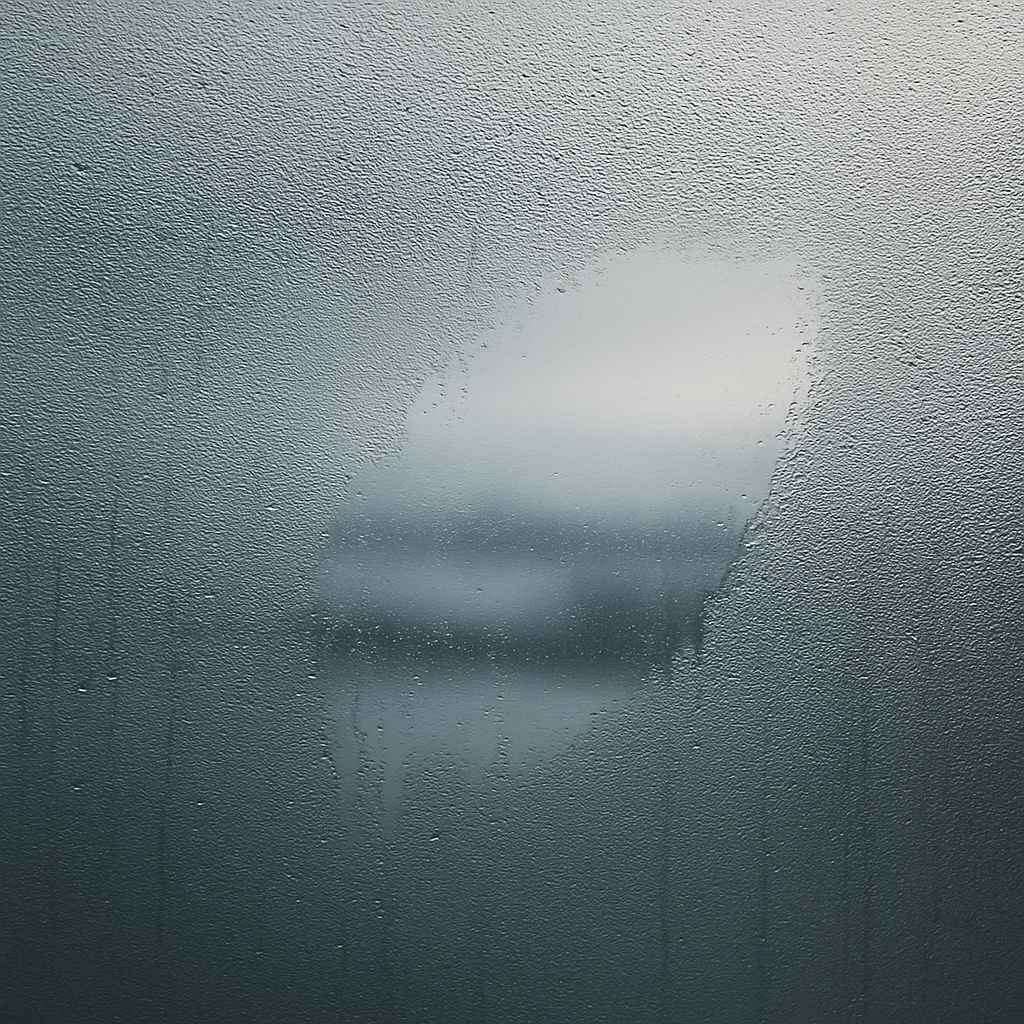
Episode 1. The Filters That Raise Us
On the invisible forces that shape what you think you see. Family, education, conditional love and childhood silences become the filters through which adults interpret the world around them.
Read the full episode
We like putting labels on clothes, wine and people. It gives us the feeling that we know what we are looking at. The value lies in the story that brought it there.
We are shaped by our inner history. Everything we feel, think, choose and love bears its imprint: childhood, family, school, silences, deprivation, comparison and the longing for approval.
This is how filters form, the lenses through which we perceive the world. We believe we have become “rational adults”, yet we remain children interpreting the present through old wounds. We see reality as we were taught to perceive it.
1. Family: The first map of the world
The early years give us an emotional map. A child discovers who they are in other people’s responses. If a mother’s eyes convey fear, the child learns that the world is dangerous. If a father’s voice carries criticism, the child learns that worth has to be earned.
Every reaction draws part of an invisible map of trust or fear. It becomes the first filter through which the child interprets everything.
2. Education: The system of measurement
School should be a place of discovery. It often becomes a laboratory for comparison. The child who learned out of curiosity comes to learn out of shame. Grades turn failure into identity. “I made a mistake” becomes “I’m no good.”
The adults who emerge define themselves through performance, losing sight of meaning. Knowledge becomes a means of seeking approval and loses its power to free them.
3. Conditional love: The invisible currency
A child feels love before knowing what it is. If it comes only when they are “good”, they confuse it with approval. If a mistake brings rejection, they learn to treat love as something to earn.
As an adult, the child will love fearfully and flee from calm because calm feels suspicious. Where love came with conditions, life becomes a permanent examination.
4. Absence and silence: The lessons nobody teaches
What we longed to hear and never did shapes us alongside what we heard. A missing word can weigh as heavily as trauma. When explanations are absent, children make up their own meanings: “I don’t deserve it”, “I don’t matter”, “I’m not enough”.
These silent sentences become lenses through which adults see everything. Silence teaches more deeply than words.
5. The adult: The child who learned to look in control
We grow up and imagine reason has healed us. Yet disproportionate reactions, anger without an apparent cause and fear in the absence of danger are the cries of children still speaking through adult mouths.
Self-knowledge is emotional archaeology. You dig until you find the moment your way of seeing was distorted.
Conclusion
The filters that raise us help us survive. They can also keep us captive in an old reality. Genuine knowledge means unlearning the distortion through which you look.
Until we soothe the child within, the world remains an echo of fear. Knowledge begins where the wound stops interpreting on our behalf.
“The child within you is still there. It simply learned to stay quiet. Knowledge begins when you listen again.”
Confussius
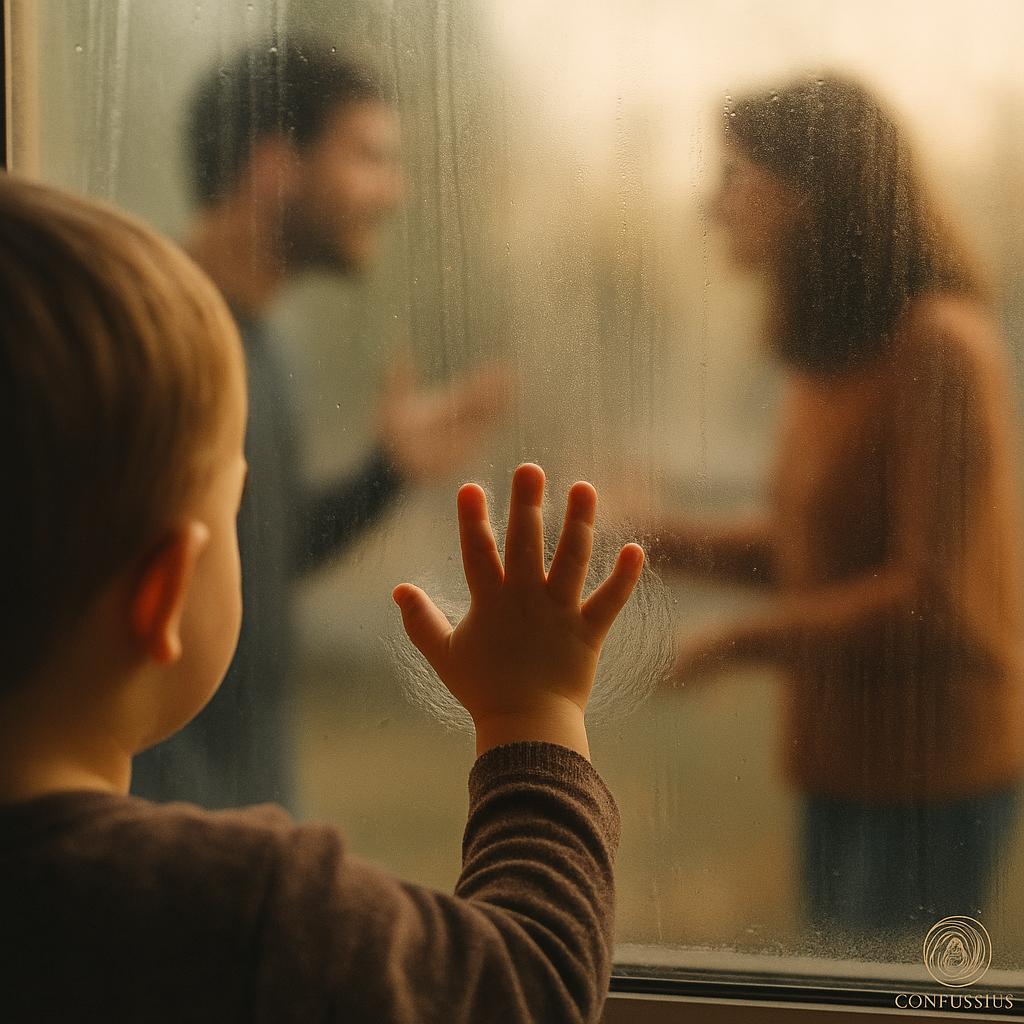
Episode 2. Knowledge Distorted by Fear
Fear shapes the mind. What begins in shame and the need for safety can turn adult perception into a means of survival.
Read the full episode
Fear is humanity’s first teacher. It teaches us to keep out of harm’s way, stay silent and calculate. In time it grows from a warning into a language. When children learn fear too early, their reasoning develops around the need to adapt. Truth becomes what they have to say to stay safe.
This is how one of the mind’s subtlest distortions arises. We think in order to survive and seek approval at the expense of understanding and truth. The world comes to live by a consensus of silence, where sincerity feels dangerous.
1. Innocent fear: The protective reflex
At first, fear is simple: darkness, separation, loss. It is a necessary instinct that says “be careful”. Once it becomes constant, it begins teaching. A child living under tension learns that the world means danger. Threat is all they see in what surrounds them.
2. Learned fear: When love becomes conditional
Children learn to fear mistakes when they see what follows them. A parent’s disappointed look becomes their first experience of exclusion. They learn that love must be earned. From there the mind looks for ways to be accepted. Fear shapes morality, and morality becomes a means of control.
3. Social fear: An education in shame
Society turns fear into rules: “don’t say it”, “don’t show it”, “don’t cry”. The child who conforms is “well brought up”. The candid child is “too sensitive”. Over time, fear becomes a measure of respectability. We hide vulnerability behind a show of composure and mistake repression for wisdom. Knowledge becomes a beautiful, opaque mask.
4. Intellectual fear: The limits of false reason
As fear grows more sophisticated, it hides inside reason. We justify rigidity with logic and protect ourselves with theories. Thinking governed by fear becomes a strategy for neutralising the world. Genuine intelligence begins when we can think without defending ourselves.
5. Spiritual fear: Resistance to clarity
We fear the clarity that would change everything. Fear of truth is visceral. We know it would oblige us to live differently. We choose comfortable illusions over a reality that could set us free. The spirit finds freedom in the courage to look without a filter, beyond prayer alone.
Conclusion
Fear is the teacher that shapes us and the shackle that holds us. It built civilisation and limited it. Genuine knowledge begins when we stop using fear as a shield. Whoever learns to think without fear learns to see.
“The child’s small fear becomes the adult’s great lie.”
Confussius
Episode 3. Why Don’t We Live in the Same Reality?
Childhood, culture and ego shape what we perceive. Two people can witness the same scene and inhabit different worlds. Knowledge begins when you recognise your own filters.
Read the full episode
The world looks shared on the surface. Each person views truth through a lens formed by fears, experiences, inheritances and circumstances. People react to their interpretations of events. Parallel worlds grow from that fact: two people look, two realities emerge.
Genuine knowledge begins when you ask: through what filter do I see the world?
1. Childhood: The first distortion of perception
People raised with love see the world as a safe place. People raised in fear see a constant threat. A harsh word, a prolonged silence or a severe look can be details to one person and a reawakened trauma to another. The childhood filter is impressed on us before we have a say.
2. Experience: The translator of emotions
Every event adds another layer to the original lens. Failure becomes proof, loss a warning, rejection a reason to take control. We react to the present from within the story of our past. Every person lives inside a narrative that was once real.
3. Culture: A collective filter for values
A society’s norms look like absolute truths until you encounter another culture. What is shameful in one place is a virtue in another. What passes for respect in one part of the world looks like timidity elsewhere. Genuine knowledge appears when you can see beyond the customs of your own world.
4. Status: The position from which we look
An order feels different from above and from below. Education, age, power and vulnerability distribute perception unevenly. Those above see the structure. Those below feel the pressure. Truth lies between these perspectives.
5. Ego: The last filter of illusion
People defend their own stories with an almost sacred loyalty. Conflicts rarely end because nobody wants to surrender their angle of view. Genuine knowledge lies in understanding the other person. Empathy becomes a higher form of reason. A shared world exists in the moment our perceptions touch.
Conclusion
We live in different realities, joined for brief moments of recognition. Communication is a temporary meeting of two lenses. Each person carries an optical universe of their own, built from fear, love and education.
Knowledge clarifies the filter. When the lens clears, the world ceases to look like an enemy and becomes real.
“There is no shared world. There are only different perceptions that touch for a moment.”
Confussius
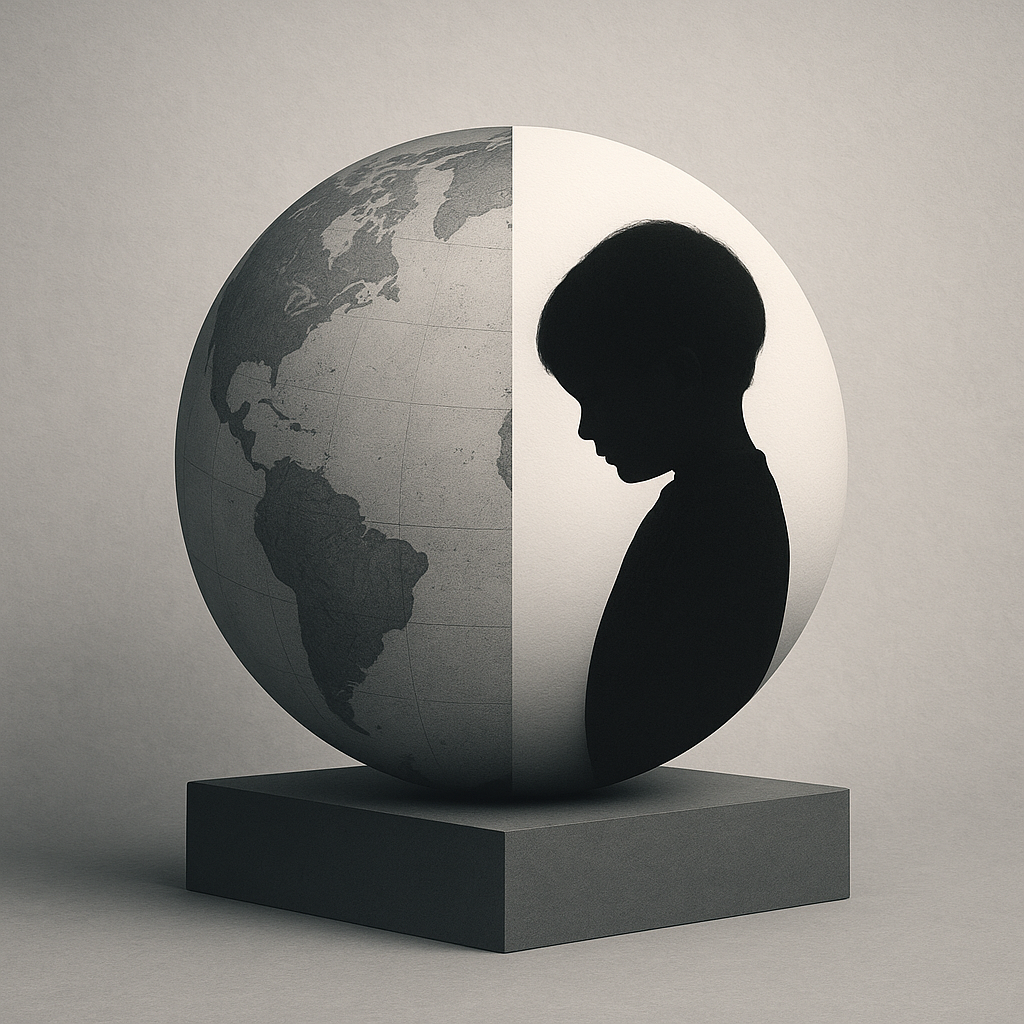
Episode 4. Humanity as a Mirror of Our Collective Childhood
The wider world reproduces the wounds of our inner lives. Personal fears become global systems, and the healing of each person changes the direction of a civilisation.
Read the full episode
The world reflects on a large scale the wounds of the people who make it up. Fear, the need for control and the lack of empathy have personal origins and consequences that reach across the planet. Nations, governments and institutions consist of people who carry unresolved childhoods into decisions, laws and policies. Humanity becomes a vast child, lost between its traumas and its longing for love.
Look through this lens and a pattern emerges from the chaos. Harm comes from continuity: the same fears multiplied on a global scale.
1. Fear: The energy that drives civilisations
For thousands of years, humanity has been moved by fear of death, scarcity and loss. Wars, expansion, religion and the economy all grew out of a desire for safety. Individual fear becomes a collective engine, and control becomes the armour of choice. A civilisation governed by fear spends its energy defending itself. When protection becomes law, progress stops.
2. Power: How the unheard make themselves heard
People who were controlled later become controllers. Those who went unheard learn to shout through offices, armies and speeches. Power can be a reaction: the child within refuses to feel powerless again. Leaders change through emotional maturity, beyond what political education can teach. A world led by wounded children will keep repeating the same mistakes.
3. Competition: The reflex of conditional love
Modern civilisation glorifies success, which becomes a substitute for acceptance. When love comes with conditions, people learn to compete for it. School, careers and society reproduce the pattern: “I have worth only if I surpass someone else.” Humanity spends its resources chasing approval at the expense of progress. Competition without empathy leaves everyone exhausted.
4. Technology: A filter that compensates
When people feel empty inside, they try to extend their control outwards. They build increasingly complex systems to replace the quiet they have lost. Technology is our collective child, raised without affection. It reflects what we are: brilliant, fearful and alone. Without inner balance, progress becomes a digital flight from our own silence.
5. Healing: The only real revolution
A better world begins with people who have healed. A child who learns they are loved without conditions will grow into a less violent adult. A generation that learns to listen has less need to dominate. Personal healing is an act with political, social and spiritual consequences. Humanity changes through attentive mothers, fathers and teachers, beyond what revolutions can achieve.
Conclusion
The planet is a vast echo chamber carrying the voices of children whose wounds never healed. What we call crisis, conflict or hatred expresses pain that went unheard. When people look at their own wounds, the world becomes a little clearer. Healing the child within becomes a way of healing the world outside. Where love takes the place of fear, civilisation matures.
“The world is not behaving irrationally. It is simply reacting through its wounds.”
Confussius
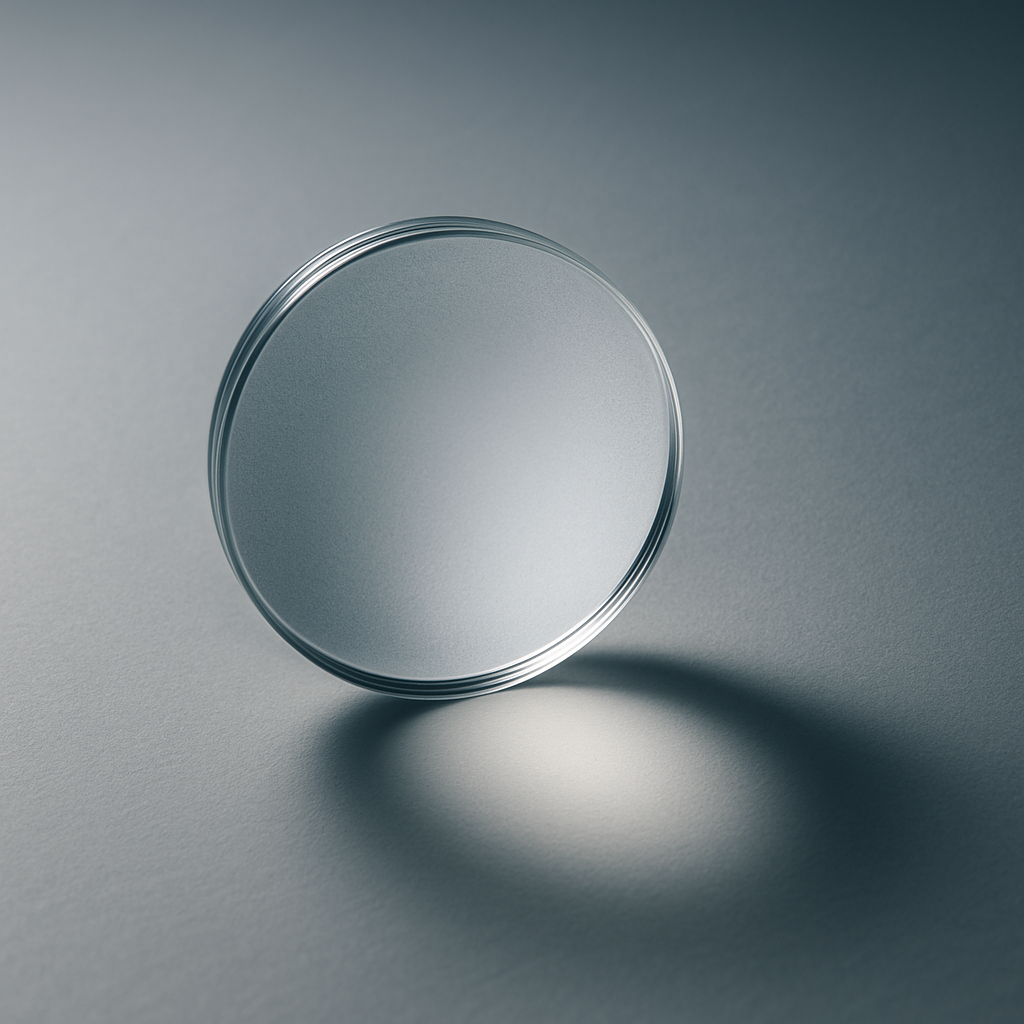
Episode 5. Clarity: Knowing Without Filters
Clarity begins when the way we look grows quiet. Genuine knowledge clears away the noise of fear, shame and ego until perception becomes simple, serene and coherent.
Read the full episode
A whole life is an attempt to understand. Understanding becomes possible when the gaze grows still. Real knowledge frees us from what we carry. Clarity appears when thought comes to rest and the world shows itself simply and plainly.
1. Accumulated knowledge: The noise of information
Learning guarantees little wisdom. A mind full of facts rarely sees what matters. Clarity comes through selection, through distilling what is still alive and essential. Wisdom lies in understanding deeply.
As understanding deepens, noise turns into meaning. Information becomes part of our inner structure and gains a coherence beyond the facts themselves.
2. Emotional clarity: The mirror that shows everything
Clear emotions give rise to accurate perception. Fear, shame and guilt disperse when we look at them gently. A mind at peace reflects reality faithfully. Stillness becomes the most precise instrument of knowledge.
Someone who breathes steadily can see the whole world in a single gesture. The details cease to feel personal, and the larger picture comes into view.
3. Truth: The image of a clear reality
Truth is lived. It is there when the eye stops trembling. Clear perception has little use for endless explanations. When fear recedes, things appear as they are, without distortion.
Genuine knowledge is this stillness that holds everything and has nothing to justify.
4. Awareness: The eye that observes the act of seeing
Clarity becomes complete when the person looking includes themselves in the picture. Awareness creates space between impulse and choice. The mask, the pride and the wound dissolve there. What remains is a presence that sees without labels.
That way of looking brings freedom and truth at the same time. Automatic reaction gives way to lucid choice.
5. Simplicity: The expression of inner maturity
Clear knowledge is quiet and coherent. Its force comes from what is evident. A clear-minded person can be convincing simply by being present.
Clarity restores balance where the search was once frantic. When the mind falls silent, the world breathes through you.
Conclusion
Knowing without filters is a state of being. It appears when perception becomes transparent and thought settles. The world remains as it was. The way we look at it becomes serene.
Clarity has been within you from the beginning. All you have to do is recognise it.
“True knowledge is the cleaning of the lens through which you look at the world.”
Confussius
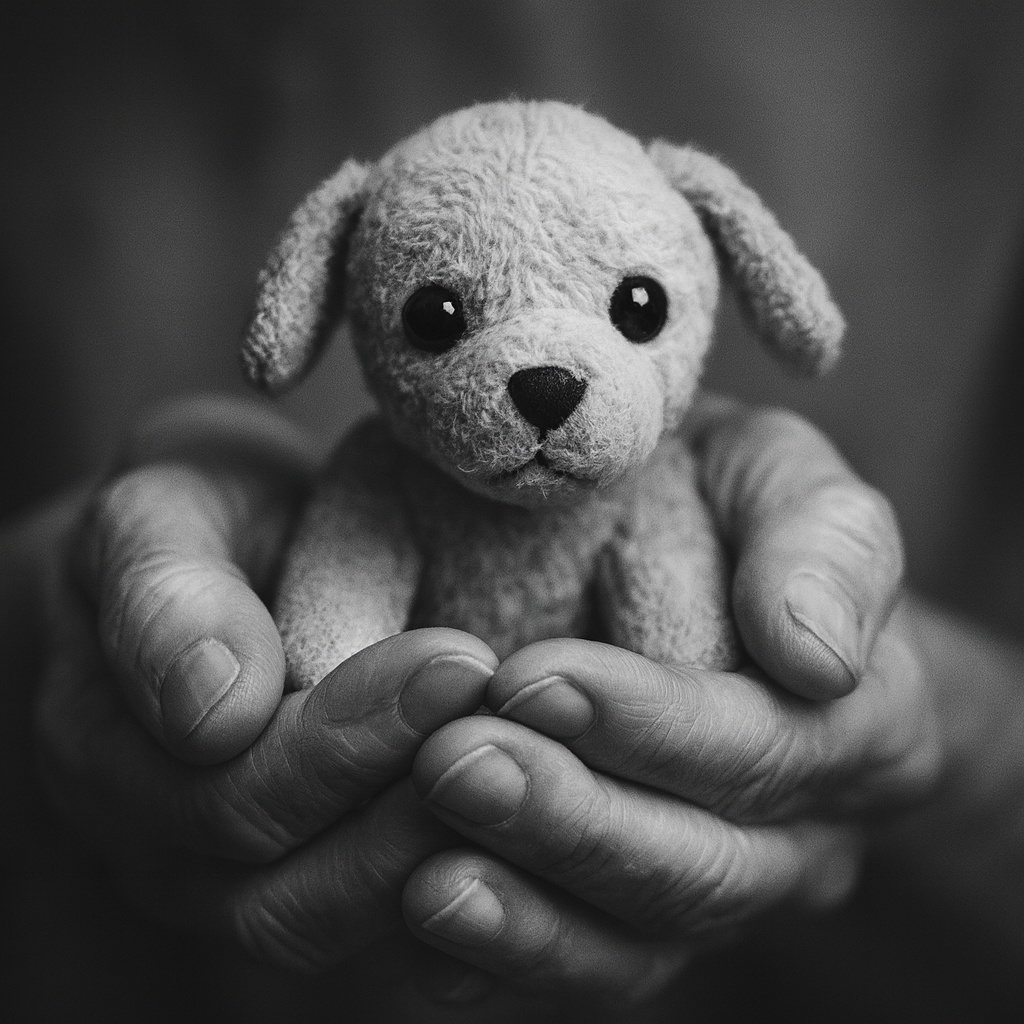
Final episode. The Verdict: Healing the Way We See
The series closes by asking how the world changes when the way we look heals, from the wounded gaze of a child to a clear gaze that recognises what it sees without passing judgement.
Read the full episode
Everything begins with how we look at the world. Everything begins to heal when that way of looking changes.
For generations we have lived through inherited filters: fear, shame, guilt and comparison.
Under all these layers, one thing remains: every person wants to be seen and understood.
Humanity begins to heal when the eye that looks recognises what is there without passing judgement.
Knowledge without empathy remains information. Empathy without knowledge remains emotion.
Together, they become clarity.
1. The child’s gaze: The beginning of the world
A child sees things as they are, before filters, interpretations and defences.
The world hands the child its lenses: fear, punishment, shame and silence.
The first wall goes up between reality and what can be borne.
Healing begins when the adult recovers that clear way of seeing.
2. The adult’s gaze: Construction and protection
Life teaches us to look cautiously, to calculate, analyse and avoid.
Prolonged caution becomes a slow blindness. The fearful eye stops observing and begins merely to anticipate.
Genuine maturity means openness.
A healed adult keeps their judgement clear and learns to see beyond fear.
3. The world’s gaze: A collective reflex
The world reflects how much we understand. When people are afraid, wars arise.
When people feel alone, networks appear. When they look for meaning, religions emerge.
Everything echoes ways of looking that have ceased to meet. Humanity changes when each person chooses to see more clearly in order to understand, letting go of the need to be right.
4. Healing: Reconciling mind and heart
A healed gaze faces pain without feeding it.
It observes, accepts and leaves room for understanding.
Knowledge becomes complete when reason and compassion meet.
Stillness, patience and genuine lucidity grow from there. The person who understands pauses and chooses.
5. What we pass on: The circle closes
A child looked at with gentleness will grow into an adult who looks with that same gentleness.
Every generation that heals adds a measure of clarity to the world.
The future will be built from clear ways of seeing and minds at peace.
Knowledge and healing will become a single movement of the human spirit.
Conclusion
What was confused becomes simple when the way we see clears.
Knowledge without healing is a fogged mirror. Healing without knowledge is blind emotion.
Together they give shape to clear sight, a state in which understanding the world is enough. The journey ends there. The search gives way to recognition.
“Whoever has healed the way they see has healed the world.”
Confussius
End of the series: Knowledge Through Filters. Healing children to heal humanity.
The complete series remains open to those with the courage to look at themselves without a mask.
Continue reading with the next Confussius series
Power and Freedom
Reflections on self-control, inner boundaries and the balance between personal strength and genuine freedom.